
1984- George Orwell: A must-read classic, igniting my love for Orwell.

Aldous Huxley - Brave New World: Huxley brilliantly envisages the downfall of society into a rigidly structured hierarchy of lobotomised and deranged individuals.

George & Weedon Grossmith - Diary of a Nobody: Charming and witty account of one man's dull yet exciting life - The Secret Diary of Adrian Mole owes a lot to this.
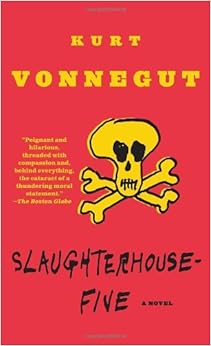
Kurt Vonnegut - Slaughterhouse Five: Basically an autobiography - Vonnegut brilliantly recounts the story of a man coming to terms with the horrors and atrocities experienced in Dresden during WWII, in a completely original and poignant manner.

Yevgeny Zamyatin - We: The original 1984, and a great influence on Brave New World. Exiled by two dictatorships, Zamyatin knows dictatorship as good as anyone else, and his account of Utopia in the 26th Century is a chilling insight into the threats towards life and liberty.

George Orwell - Down and Out In Paris and London: Quasi-autobiographical account of the time Orwell spent in the underworld as a plongeur in Paris with his friend Boris, and his traumatic experiences whilst homeless in London. Orwell somehow romanticises homelessness in the way that only he could.

George Orwell - The Road to Wigan Pier: Another autobiographical work from Orwell, detailing his experiences of poverty in the North of England - this time from a much more comfortable position than that found in Down and Out in Paris and London. Features a rather turgid, but nonetheless enlightening explanation of Orwell's politics in the last few chapters.

George Orwell - Homage to Catalonia: Orwell's brilliant writing of his experiences in Barcelona with the POUM during the Spanish Civil War. A brilliant way of getting to grips with the experiences of those involved in the war, written in his charming and frank manner that makes his work so appealing and timeless.
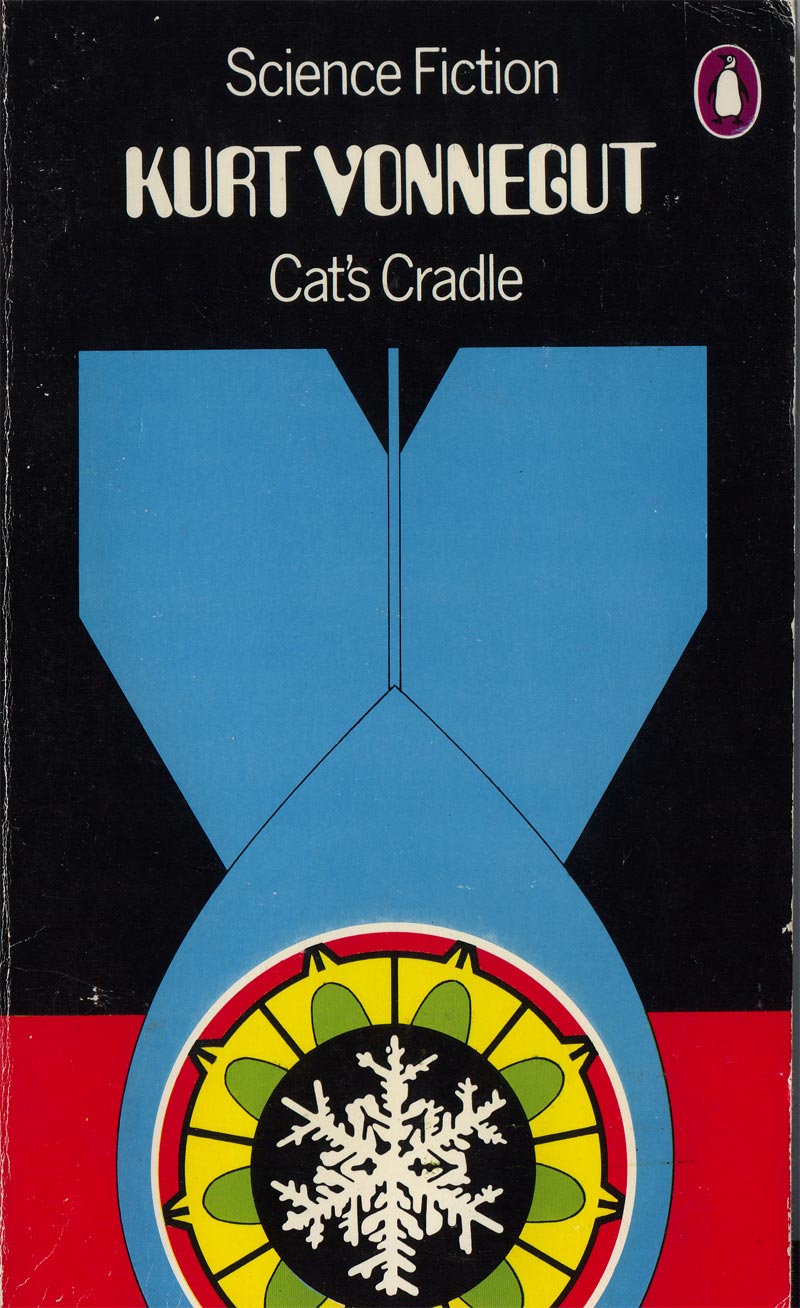
Kurt Vonnegut - Cat's Cradle: Much less bleak than Slaughterhouse Five, exposing his comedic side, Vonnegut satirises the Cold War - featuring the best made up religion ever, Bokononism.
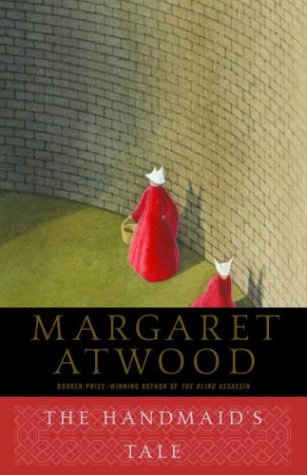
Margaret Atwood - The Handmaid's Tale: Definitely inspired by Brave New World (in the edition I read, Atwood writes a brilliant introduction), Atwood presents a world where women are commodified into purely reproductive vessels, and nothing more, raising poignant issues about women's perceived roles in society.

James Baldwin - The Fire Next Time: Featuring a letter written to his nephew on the centenary of the emancipation, and his book-length essay on black nationalism, Baldwin brilliantly perceives the issues faced inside and outside of black America in the 1960s, as well as reflecting so calmly on the personal troubles faced in his life.

Kurt Vonnegut - God Bless you, Mr. Rosewater: Vonnegut at his comic best, this satirical parable about inherited wealth and greed is a brilliant insight into human nature.

Albert Camus - The Plague: Extremely insightful lesson on the infringements and freedoms bestowed upon oneself in a seemingly inescapable situation, explained through the varying reactions to a fatal plague that puts the town of Oran in complete quarantine. Camus writes with lucidity and nonchalant passion, and furthermore a potent underlying message evoking his reaction to the Nazi occupation of France, that he fought valiantly to oppose.
.jpg)
Kurt Vonnegut Jr. - Mother Night: Funny, yet deeply saddening insight into the harm done by the dark side of international politics. Vonnegut imbues his writing with the deep traumas, conflicts and beliefs he suffered himself, creating an extremely heartfelt story.

Ernest Hemingway - Fiesta: The Sun Also Rises: Thoroughly enjoyable, original love story. Hemingway matter-of-fact-ly describes the opulence of the '20s in a mild, yet enticing manner.

Albert Camus - The Outsider: Existential classic, with angsty black humour, confronting the absurdity of the human situation head on with absolutely no holds barred.

Jean-Paul Satre - The Age of Reason: Carrying on with my French-existential-novel theme, Sartre's brilliant novel accounting the behaviour and thoughts of philosophy lecturer Mathieu Delarue over a two-day period clearly expresses Sartre's thoughts on freedom, whilst brilliantly delivering the vibrancy and jubilant atmosphere of Paris in 1938.

Albert Camus - The Fall: Third Camus of the year - I'm going all out on this existential theme. The Fall is a rhapsodic monologue accounting the activity of judge-penitent Jean-Baptiste Clamence, and an explanation of his views and thoughts on life and living. Personally I prefer Mersault, or Mathieu Delarue - their situations and opinions are far less enigmatic, whereas in the Fall I felt that I was being deceived our narrator. An enjoyable read nonetheless

No comments:
Post a Comment